Spirefly

Retail

Supply chain sustainability for retail assortments

Spirefly turns thousands of products and millions of supplier data points into decisions a buying team can act on.

Trusted by retailers and consumer brands

  • HEMA
  • Picnic
  • Zalando
  • Termeer Group
  • Studio Anneloes

“Spirefly is built on a really thorough theoretical background on the topic of nature. On top of that it provides a practical step-by-step guidance on how to perform impact measurement and execution. It has everything you need!”

Anna Krotova, Sustainability Lead

Picnic

The impact sits with your suppliers

Almost everything you are accountable for happens before the product reaches your shelf: the food you sell, the materials behind it, the suppliers you buy from. It is the part of the footprint you influence rather than control.

The data you have is a patchwork

Primary data for a few categories, spend-based estimates for others, and a supplier list with no ingredient breakdown at all. Waiting until it is complete means waiting forever.

The analysis never reaches the person deciding

Fifteen impact indicators across 15,000 SKUs does not tell a category manager whether to switch a rice supplier. Getting from assessment to decision takes translation, and that is usually where the progress stops.

Accelerating sustainability for consumer goods

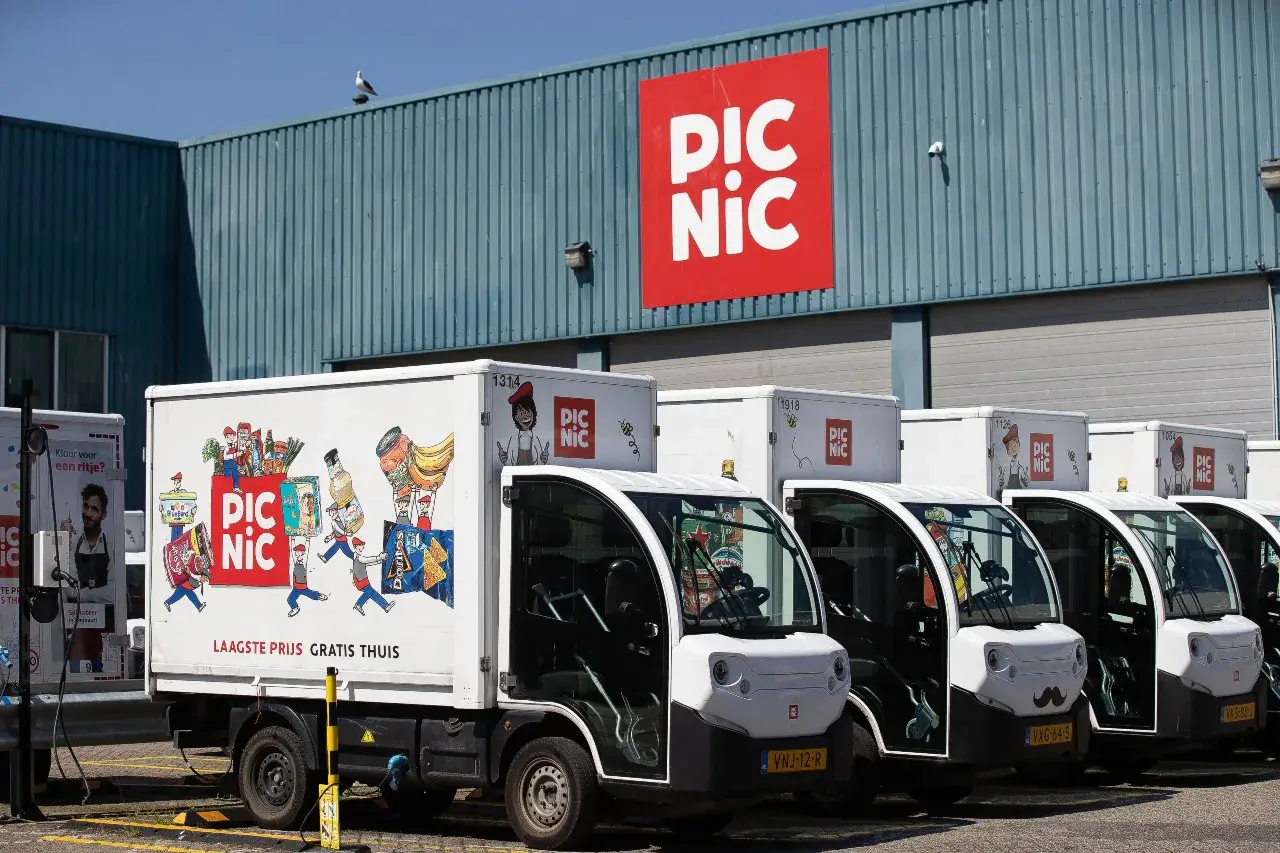
Placeholder: a retail and hospitality scene, pending a grocery photo

Grocery

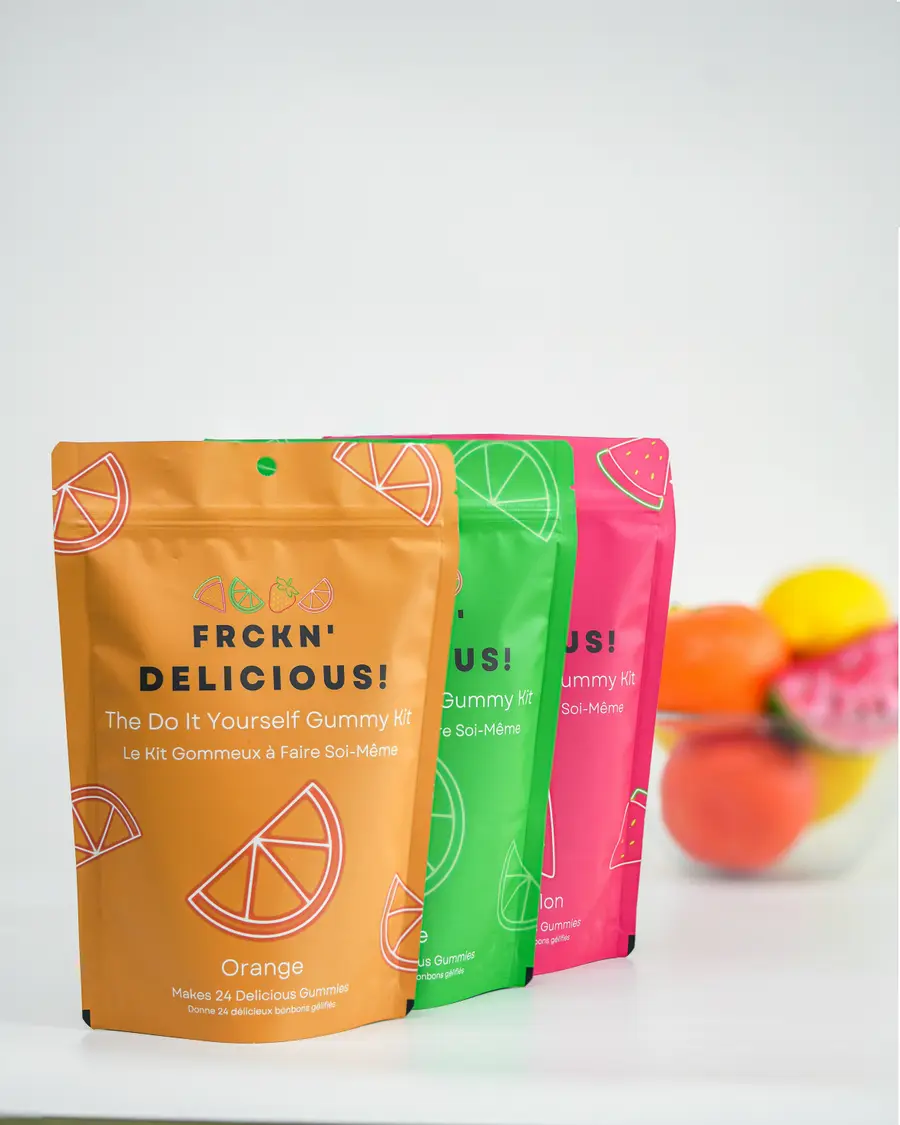
Placeholder: packaged consumer brand goods, pending an FMCG photo

FMCG

Start with the data you have today

Spend per supplier is enough to begin. It gives you the shape of the problem: which categories carry the most risk, which supplier relationships matter, where the biggest unknowns are. Ingredient-level data, purchase volumes, and primary data from suppliers add precision as you collect them, and all of it lives in one place.

Spirefly shows you where better data would move the needle most, so the collection effort goes where it changes a decision.

Coverage of your assortment

100% covered
  • Primary supplier dataMeasured at source10%
  • Ingredient-level dataRecipes and bills of material18%
  • Purchase volumesPhysical quantities bought28%
  • Spend per supplierThe starting point that completes coverage44%

Primary data replaces fallbacks as it arrives, with nothing re-processed from scratch.

Carbon + Nature

Catch the trade-off before you make it

Nature is several problems at once. Land use, water use, biodiversity, and pollution each have their own methodology, their own geography, and their own supplier conversations. Spirefly runs all of them from the same dataset as your carbon footprint, aligned to SBTi FLAG, TNFD, and SBTN.

Running them together is what surfaces a burden shift: the sourcing change that improves your carbon number while it quietly worsens your water footprint. Measuring carbon on its own leaves that invisible until someone else finds it.

  • Carbon and nature from one dataset, aligned to SBTi FLAG, TNFD, and SBTN
  • Land, water, biodiversity, and pollution scored alongside emissions
  • Burden shifts visible while the decision is still open
Carbon
Water
Land
Biodiversity
Pollution
Materials

Hotspots

Find the supplier behind the number

Spirefly surfaces the hotspots on its own: the suppliers driving the most impact, the ingredients behind the totals, and the countries of origin carrying the highest nature risk.

A grocer with thousands of SKUs sees within a run that meat and dairy carry the largest carbon concentration, and that a rice category sourced from a water-stressed region deserves attention before anything else.

Water footprint by category

  • Rice & grains38%
  • Dairy27%
  • Fruit & vegetables21%
  • Everything else14%

Water footprint by product

  • Basmati rice46%
  • Long grain rice24%
  • Arborio rice18%
  • Other grains12%

Water footprint by country of origin

  • Pakistan64%
  • India22%
  • Italy9%
  • Spain5%

Scenarios

Model the sourcing change before the buying round closes

Picnic found that the basmati rice it sources from Pakistan was an outsized share of its water footprint. In the same session, the team modelled sourcing that rice from Italy and saw a 24% reduction in the water footprint, before a single supplier had been contacted.

The same mechanism answers the longer question. Test whether your current trajectory reaches your 2030 targets at the pace they require, model what happens if plant-based volumes keep growing or a key supplier moves to renewable energy, and see which levers actually move the number.

Modelled pathway to the 2030 target
2030 targetCurrentRicesourcingPlant-basedmixSupplierenergyLessfood wasteModelled

Making it land

One assessment, four audiences

A buying team weighs fifty criteria in every sourcing decision. Sustainability becomes one of them when it arrives in language they already use: category risk, supplier exposure, volume impact.

Spirefly builds each view from the same underlying data, so the board sees progress against targets, the supplier sees its own contribution and what you are asking of it, and the auditor sees the trace back to source. Your team controls the framing and the numbers never diverge.

Assortment footprint

Assortment footprint what to raise first

  • Rice & grains38%
  • Dairy27%
  • Fruit & vegetables21%

Bring one question to the next buying conversation.

Assortment footprint their contribution to your numbers

64%of category water use from one origin

  • Water-stressed sourcing regionhigh
  • No primary origin datahigh
  • Certified volumeslow

12 suppliers flagged for the next procurement review.

Assortment footprint progress against targets

−24%modelled water reduction
On trackto the 2030 target
15,000products covered

Approve the sourcing shift to stay on the trajectory.

Assortment footprint the chain back to source

  • Water footprint, ricePurchase volumes, FY2025
  • Impact factorNamed database, per origin
  • Country of originSupplier data, estimate flagged

Every figure traces to the input behind it.

Customer proof

What retail teams say about Spirefly

“I could use the results directly in my work. Unlike with general AI chatbots, I really felt that I could trust the data and information that was provided, and that it provided spot-on suggestions.”

Miranda Pierson

van Rees

“Spirefly helps us to make our ambitions actionable.”

Marieke Doolaard

Head of Sustainability, HEMA

“We see clear value in having visibility into supply chain impacts, and we're continuing to build scalable ways to access those insights.”

Anna Krotova

Sustainability Lead, Picnic

Ready to see Spirefly on your assortment?

Picnic modelled a 24% reduction in its water footprint before contacting a single supplier. See which levers move your number.

Frequently asked questions

What is supply chain sustainability software?

Supply chain sustainability software measures the environmental impact a company causes through the goods it buys rather than the operations it runs directly. For a retailer that is where almost all of the impact sits. Spirefly measures carbon and nature across your full assortment, traces each number back to the supplier, ingredient, and country of origin behind it, and lets you model a sourcing change before you commit to it.

We already have a carbon footprint. Do we really need to add nature on top of that?

CSRD and EUDR require it for most retailers, and there is a practical reason beyond the regulation. The sourcing decisions that move your carbon footprint usually move your water and land use too, sometimes in the opposite direction. Tracking carbon alone hides those burden shifts. Spirefly runs carbon and nature from the same data, so you see the whole trade-off while the decision is still open.

We only have spend per supplier, not ingredient-level data. Is that enough to start?

It is enough to find the rough shape: which categories and supplier relationships carry the most risk, and where better data would change your answer. It is not enough for supplier negotiations or regulatory disclosure. In Spirefly, findings built on spend estimates carry explicit uncertainty flags, so you always know which findings you can act on and which need verification first.

Our assortment changes every season. How do you keep the model current?

You upload the updated purchase data and the assessment re-runs across the new assortment. Hotspot views, scenario results, and dashboards update with it, so the model always reflects the data you have loaded rather than a snapshot from the last reporting cycle.

What is the difference between Spirefly and paying a consultancy for a hotspot analysis?

A consultancy hands you a report. Spirefly gives you a working environment: you model sourcing changes, build a category dashboard, monitor progress against targets, and draft disclosure chapters from the same data. It also updates when your assortment changes, which a report cannot do.

We have financing tied to Scope 3 targets. How confident can we be in the numbers?

Confident enough to defend them. Assessments follow the GHG Protocol and SBTN, every figure traces back to its source data, and estimates are labelled with their confidence level. The numbers are built to be documented and reproducible, and where a figure is modelled rather than measured, Spirefly says so.

How do we get findings in front of buying teams who have 50 other criteria to weigh?

Build the category view in Spirefly rather than sending a report: which supplier relationships carry the most risk, which sourcing changes are worth exploring, framed in the terms buyers already use. Then go into the buying conversation with a question rather than a finding. That is how sustainability becomes one of the criteria in the decision instead of a document nobody opens.


Still have a question?

Send it to our team and we'll reply by email.

Book a demo

See Spirefly in action

Tell us a bit about you and we'll set up a personalised walkthrough, usually within one business day.

I'm interested in (optional)

By submitting, you agree to be contacted about Spirefly. We never share your details.

Ask Spirefly

What would you like to know?

Send your question to our team and we'll reply to the email address you provide.

We'll only use your email to respond to this question. See our privacy policy.