
Industries
Sustainability software for construction, professional services, and life sciences
Spirefly gives a small team expert-level analysis from the data you already have, documented and defensible.
Trusted by sustainability teams across industries





How it travels
Global frameworks, applied to your supply chain
Getting a science-based nature or carbon assessment done, disclosing it correctly, and using it to drive real decisions takes time most teams do not have. Spirefly closes that gap.
The platform works from global frameworks, SBTN, the GHG Protocol, and Planetary Boundaries, applied to your own supply chain data. There is no sector-specific template to wait for, which is what lets it work in industries where nobody has written the playbook yet.
Accelerating sustainability across industries
Where teams are already doing this
Construction
The impact is in the material supply chain
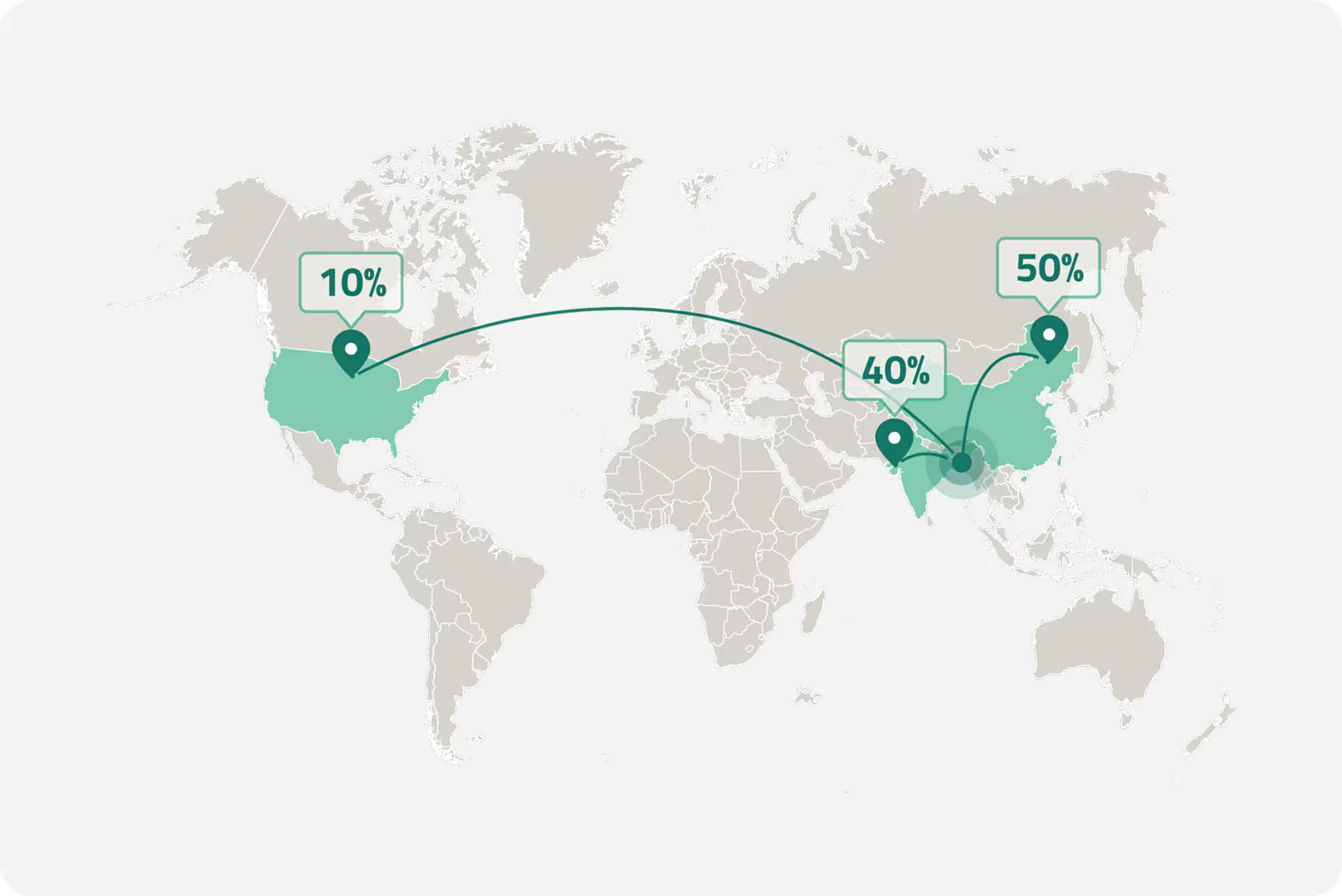
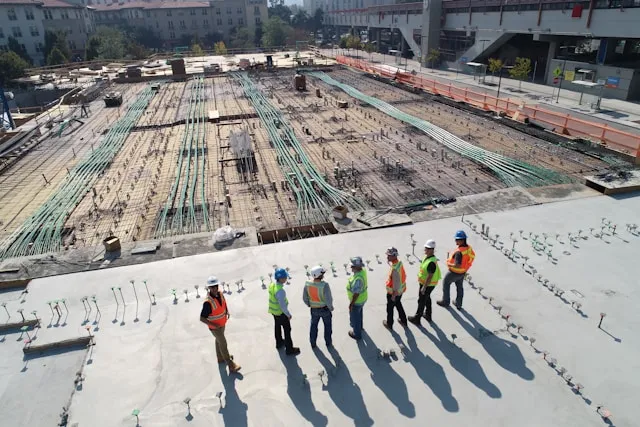
Construction and infrastructure companies have a mature story on biodiversity around their project sites. The less visible story is the material supply chain, where steel, concrete, and bitumen carry a nature and carbon impact an order of magnitude larger than the site itself. Heijmans found its supply chain impact was ten times larger than its on-site impact. Spirefly assesses that footprint across nature and climate indicators, identifies which materials and geographies drive it, and produces the output for CSRD and TNFD disclosure and SBTN alignment.
Professional services
The footprint is in the hardware, not the office
For IT and professional services firms, the footprint sits almost entirely in the hardware lifecycle. Procurement decisions about devices, replacement cycles, and supplier sourcing drive most of the embedded impact, which is where Norsys found theirs concentrated. Spirefly maps that hardware footprint against nature and climate frameworks and produces the science-based foundation that makes a public commitment credible.
Life sciences
Bio-based inputs, and formulations you cannot share
Pharma, specialty chemicals, and personal care carry two problems most tools are not built for. Formulations are core IP, so an assessment that demands ingredient lists and compound ratios shapes which tools are usable at all. And the inputs are biological: sugars, plant extracts, fermentation feedstocks, and botanicals, each with its own sourcing geography and its own land, freshwater, and biodiversity profile. That is SBTN territory, which is why GSK took freshwater as its primary target category when it became one of the first three companies globally with validated science-based targets for nature.
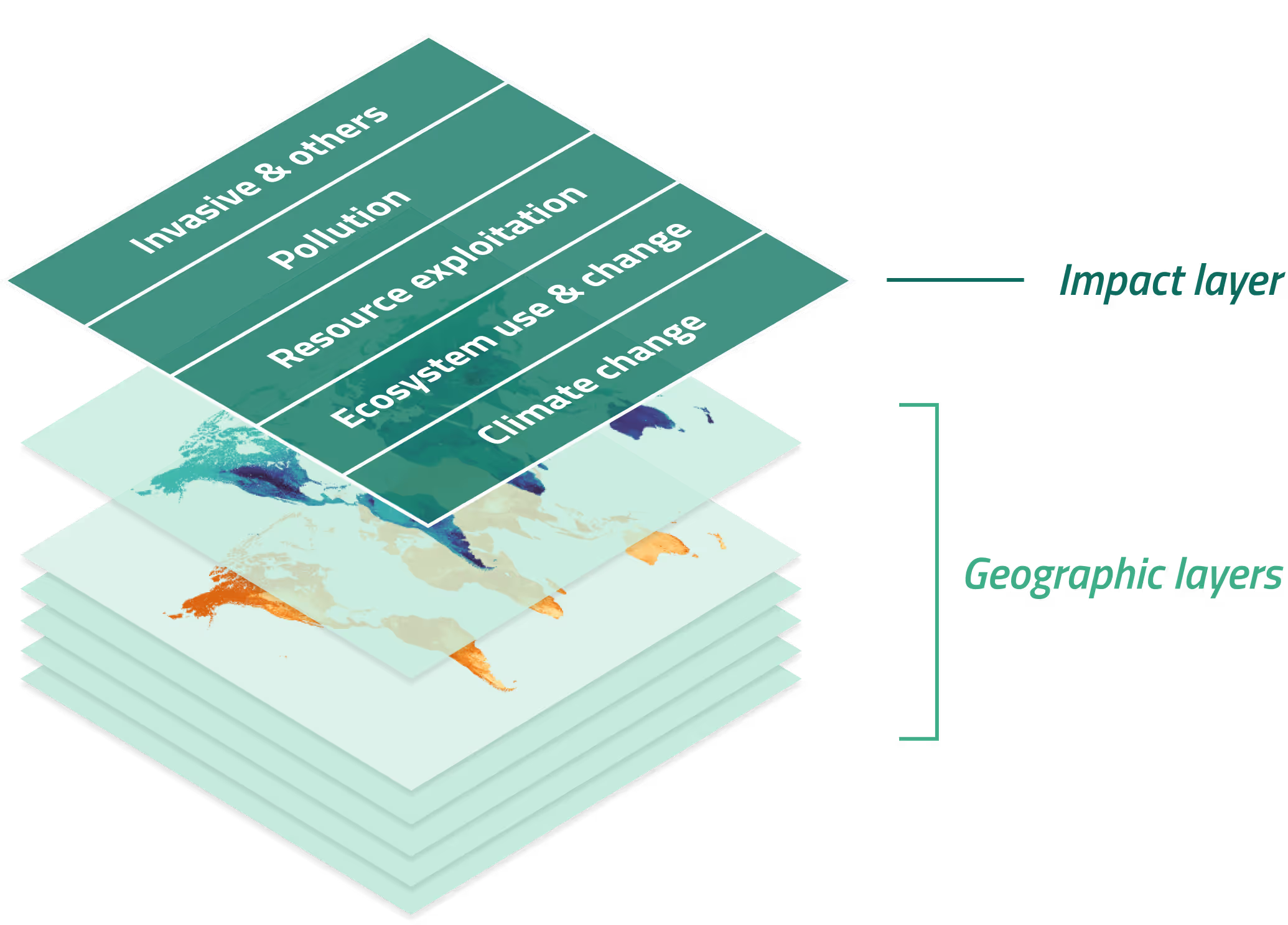
Source: Science Based Targets Network. GSK was one of the first three companies globally to receive validated science-based targets for nature, alongside Kering and Holcim.
Customer proof
What these teams say about Spirefly
“Finally, I have the ammunition to make people realize the scale of our impact. It's no longer just an opinion; I can say with confidence: this is the reality of our footprint, and this is where we need to act.”
Daan Reith
Corporate Nature Strategist, Heijmans
“The progress on our nature journey achieved with Spirefly is impressive. It's a highly specialized system that got us from procurement data all the way to supply chain insights that hold real weight in our strategic decisions.”
Thomas Breuzard
Permaenterprise Director, Norsys

Wondering if Spirefly fits your industry?
Book a demo and we'll show you what's possible, even where nobody has written the playbook yet.
Frequently asked questions
Our industry is not listed. Does Spirefly work for us?
Most likely yes. Spirefly runs the assessment from your procurement data and materials rather than from a sector-specific template, so it applies wherever that supply chain data exists. Get in touch and we can tell you quickly what is possible for your situation.
We are a small team. Can we realistically run a science-based assessment?
Yes, and small teams are who Spirefly is built for. The platform handles the data processing and the methodology, and you steer the decisions that need your judgement. Expert onboarding is available for the first cycle if you want someone alongside you for the setup.
Our supply chain changes project to project. How does a year-on-year baseline work?
The baseline is defined at the methodology level rather than the project level: which categories you measure, which boundaries you set, which frameworks apply. Individual projects roll up into a portfolio footprint on consistent methodology, so year on year you compare like with like even when the project mix changes. Spirefly documents those methodology decisions so they carry forward to the next cycle. This comes up most often in construction.
We are an IT services firm and we do not produce anything. What nature impact could we have?
The impact is in the hardware. The devices your employees use, the data centre infrastructure you consume, and the lifecycle of the electronics you procure all carry embedded land use, water consumption, and raw material extraction. Norsys found their impact concentrated almost entirely in procurement rather than their offices. Whether it is material enough to act on depends on your situation, and a scoping exercise answers that quickly.
Our steel and concrete suppliers will not give us primary data. Is that a problem?
No. Sector-average emission and impact factors for construction materials are well established and accepted in CSRD and SBTN methodology, and the assessment runs from your procurement volumes against those factors. Primary supplier data improves precision, and Spirefly flags exactly where better data would change your conclusions, so you know which supplier conversations are worth having first.
Still have a question?
Send it to our team and we'll reply by email.